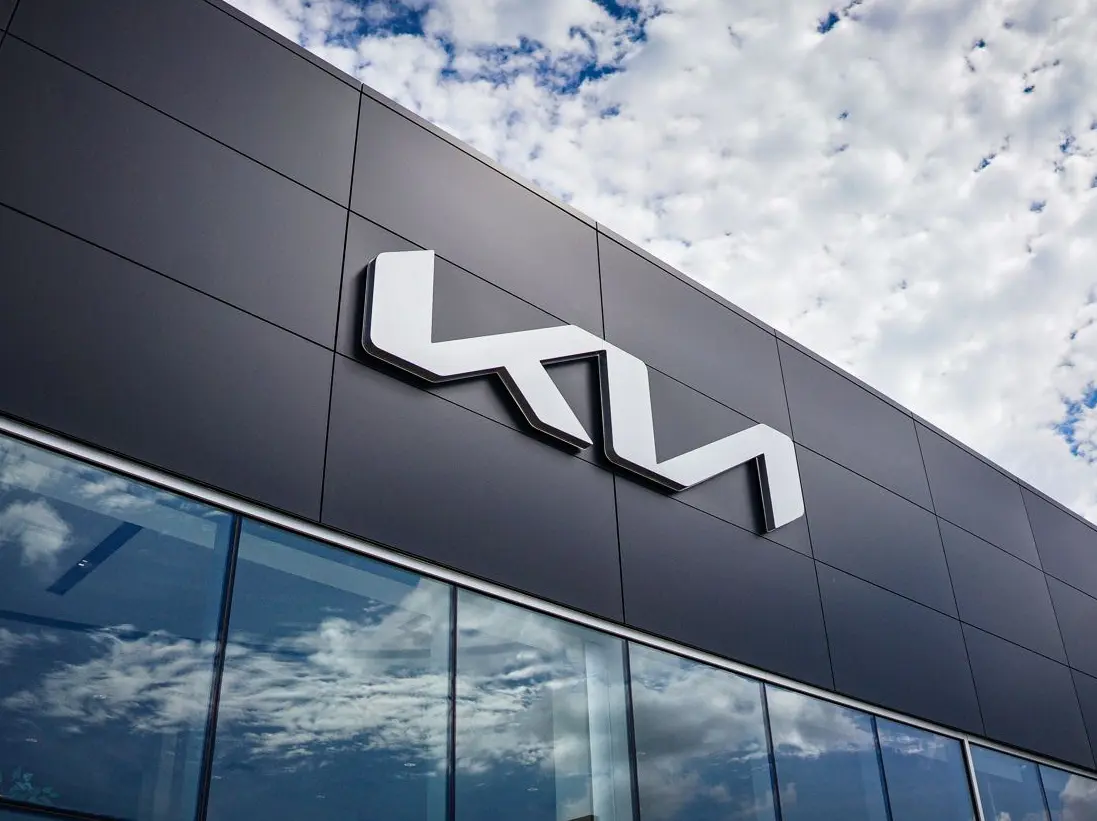
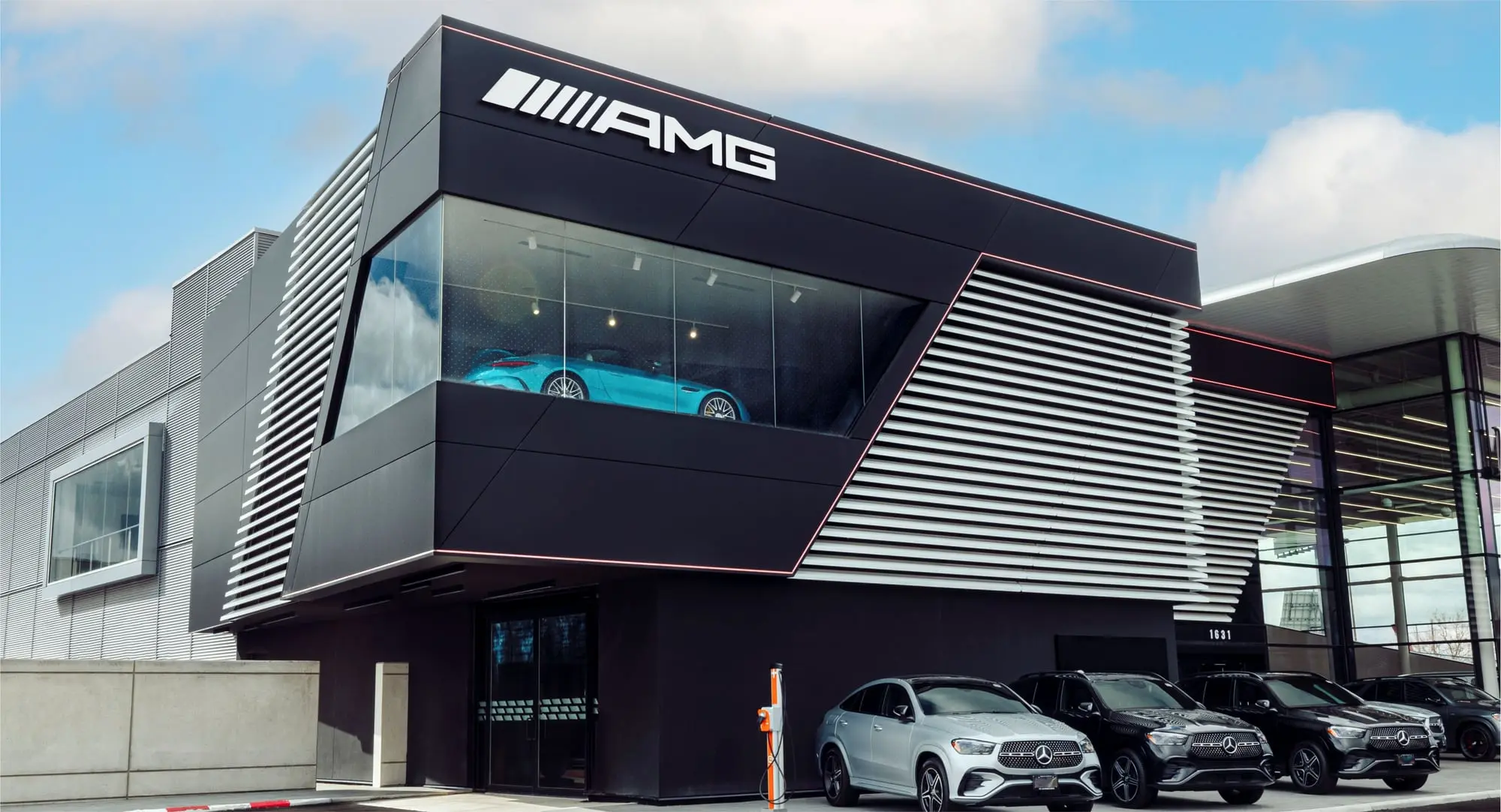
Cladding
Beyond the Sign: How Architectural Cladding Became Part of Pride’s Visual Solutions
A building’s materials, finishes, entrances, façades, and architectural details all contribute to how a brand is experienced before someone ever walks through the door.
Pride Visual Solutions’ experience with architectural cladding dates back to 2014. As that work developed, it became part of a broader shift in how Pride approached the exterior of a building. The focus was no longer limited to what appeared on the building, but also how the different elements around it worked together.
Architectural cladding and ACM (Aluminum Composite Material) became a natural part of that work, extending the brand beyond the sign and into the building itself.
More Than a Surface
Architectural cladding covers a building’s structural surface with panels, while ACM is a lightweight material commonly used to make them. ACM can be cut, routed, folded, and formed into a range of shapes for façades, entrances, canopies, and columns.
The flexibility of ACM makes it useful for more than covering an existing surface. It can change the proportions, finishes, and visual character of a building without requiring a complete remodel.
Yet the material itself is only part of what makes cladding useful in a branded environment.
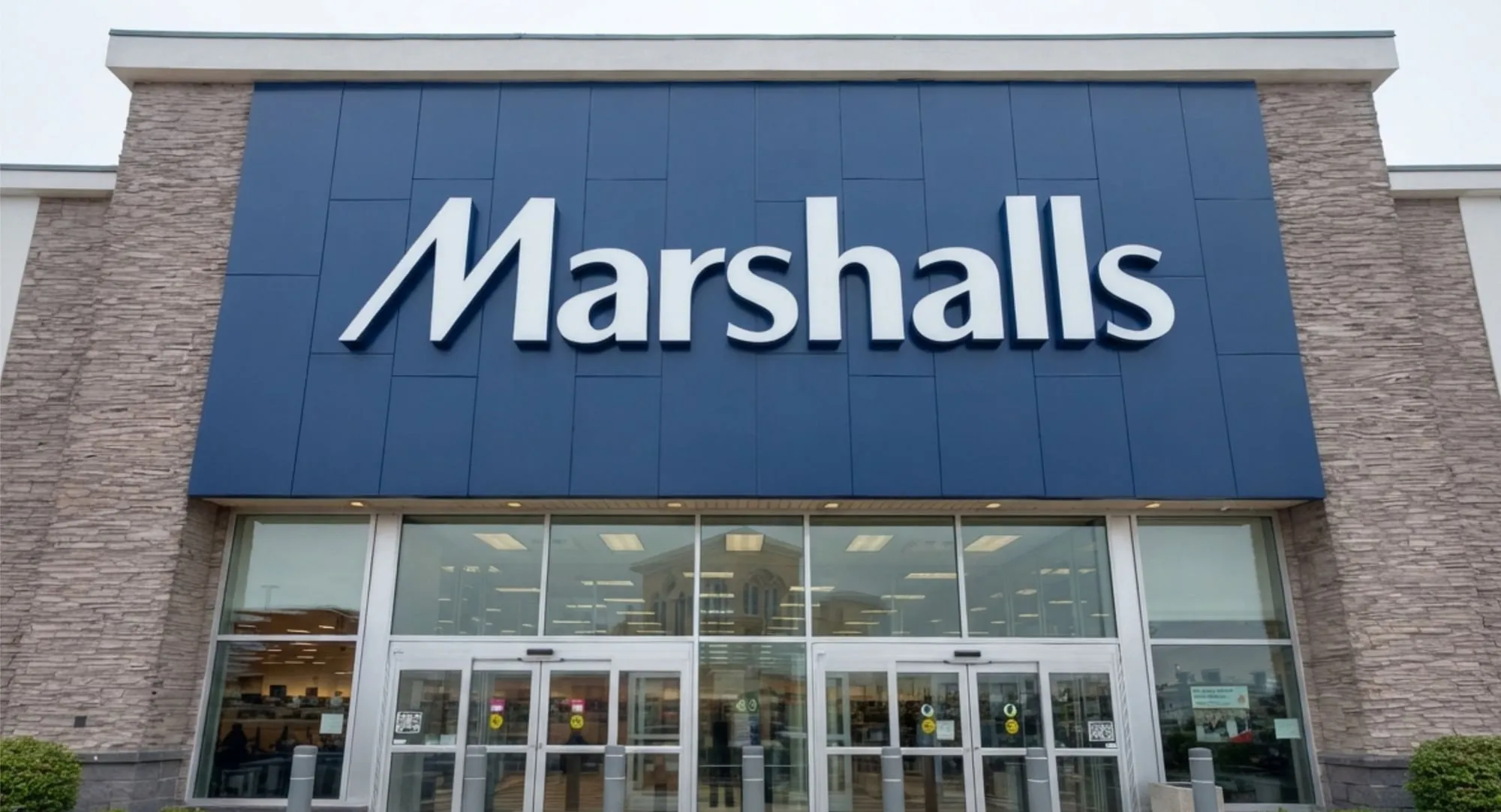
Bringing the Brand into the Architecture
Colour, finish, proportion, and placement all influence how a building represents a brand.
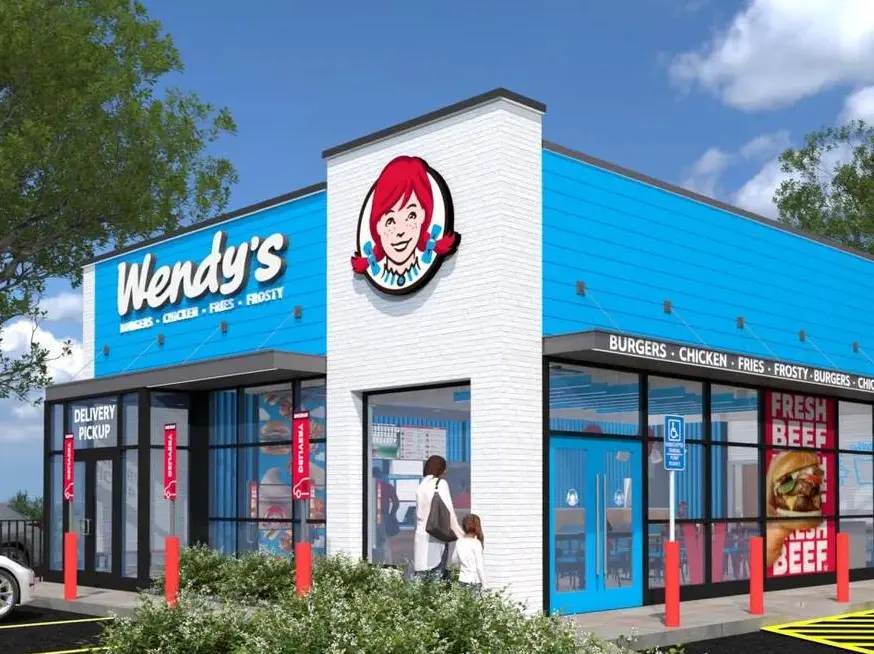
A familiar brand colour can extend across a façade. Wood and stone effects can introduce warmth. Metallic and textured finishes can create contrast. Changes in texture or depth can draw attention to an entrance or architectural feature.
As Kris Aubé, Pride’s Director of Business Development, Sales & Client Success, puts it: “Your brand isn’t just a logo or a sign on a building. It’s in the finish of the panels, the shape of the entrance, the way the whole exterior fits together. Every one of those details is telling your customer something before you even get the chance to.”
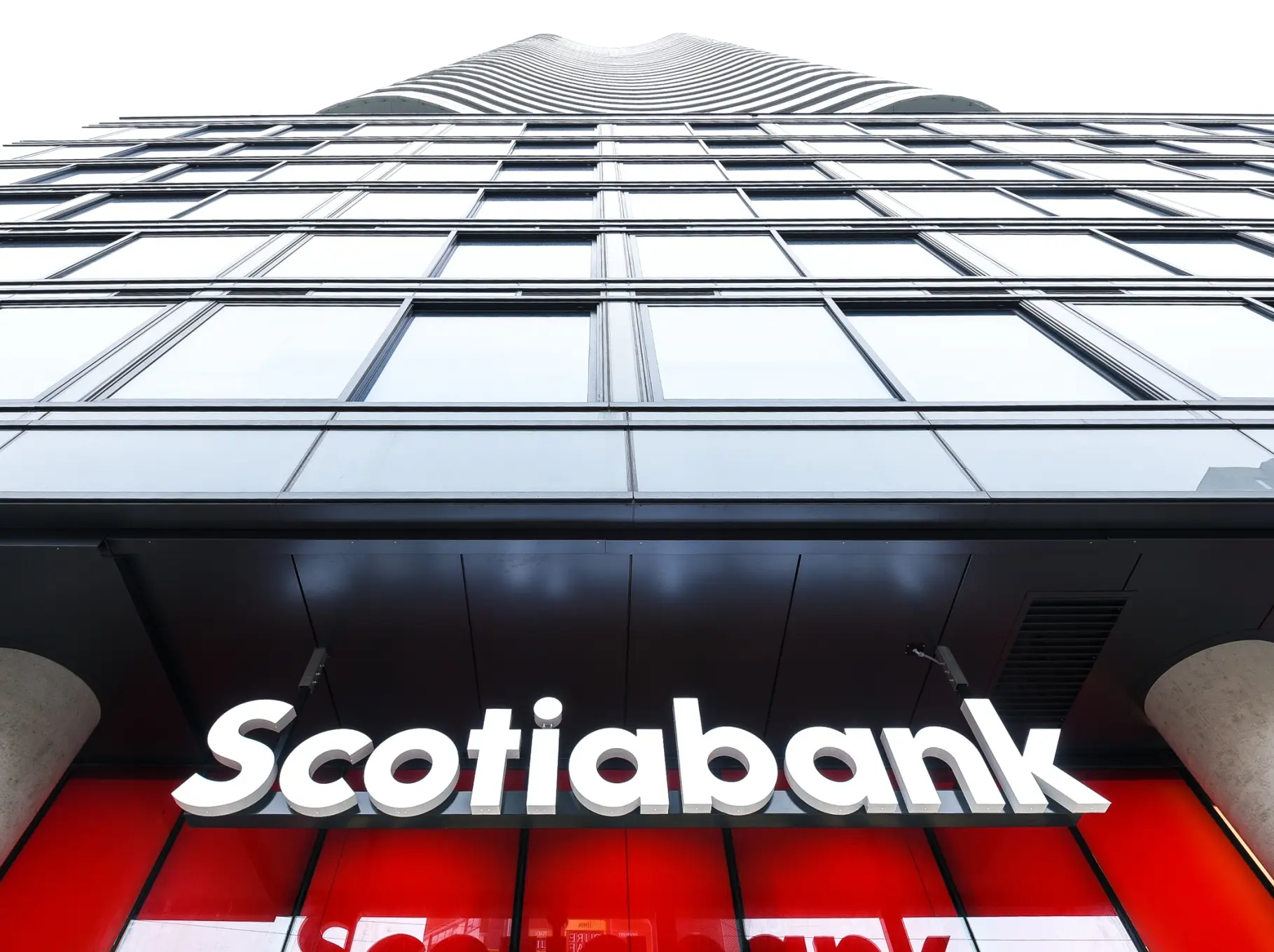
These details make cladding part of the larger visual system of a building, alongside signage, architectural features, and other exterior elements, with each affecting how the others are seen.
For Pride, cladding is looked at in relation to the finished exterior rather than as a material applied to it.
From Material to Finished Façade
Once cladding becomes part of the overall visual system, execution matters. The dimensions, edges, reveals, corners, and finishes all have to translate from the design to the finished façade.
Pride completes its cladding in-house, cutting, forming, and finishing panels before they reach the job site. Keeping fabrication under one roof gives the team greater control over the details that determine how the panels come together.
On a large façade, even small inconsistencies can become visible. Pride’s installation crews carry that same attention to detail into the field, working from the specifications established during fabrication to ensure each panel fits as intended.
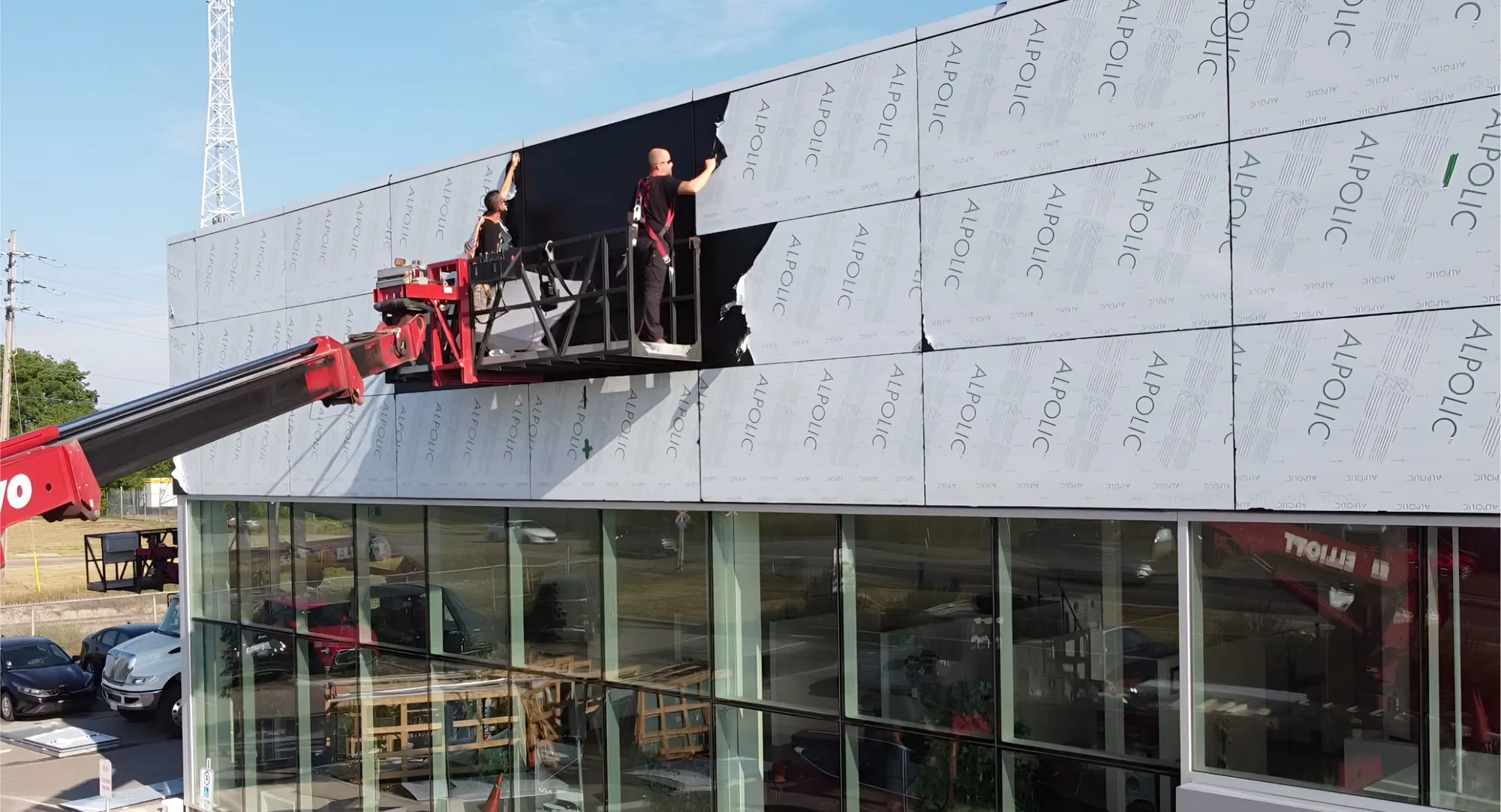
The connection between fabrication and installation also becomes important when cladding is coordinated with other elements of a project. Signage, structures, and architectural features may need to align with the same surfaces, dimensions, and finishes. Considering those elements together from the start can reduce adjustments and delays on site.
A Capability That Changed the Work
Architectural cladding became more than an additional service offering for Pride. It changed the kinds of questions the company needed to consider when approaching a project.
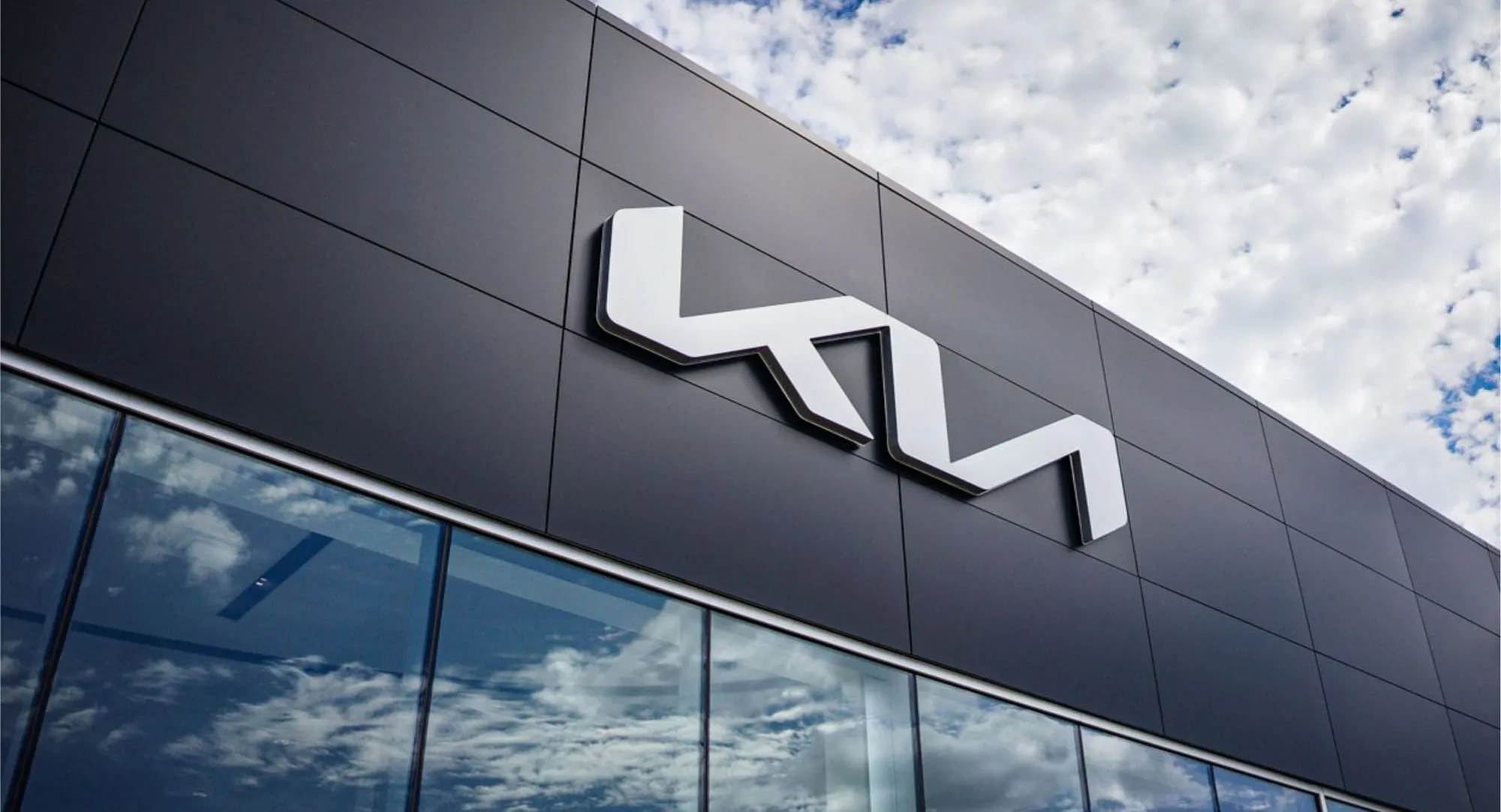
A sign does not exist in isolation. It sits on a façade. It interacts with the materials around it. Its scale, colour, lighting, and placement all depend on the environment it occupies.
Working with cladding made those relationships more apparent. Projects increasingly required Pride to consider materials, architecture, fabrication, signage, and installation as connected parts of the same exterior.
That evolution helped shape Pride Visual Solutions and the broader role it plays today. The work is not simply about adding a sign or a surface to a building. It is about understanding how those elements relate to one another and carrying the brand consistently across the finished exterior.